If you think accounting is just about tax forms, calculator clicking, and dusty ledgers, you are missing the forest for the trees.
At its core, accounting is not just math. It is a storytelling medium. It translates the chaotic, day-to-day actions of a business—every sale, every cup of coffee purchased, every factory built—into a standardized language that anyone, from a local banker to a Wall Street analyst, can read and understand.
Without it, modern commerce would collapse. Let’s strip away the jargon and look at how this vital system actually drives our world.
The Three Pillars of Financial Truth
To understand any business's financial health, accountants rely on three primary financial statements. Think of these as a patient's medical charts.
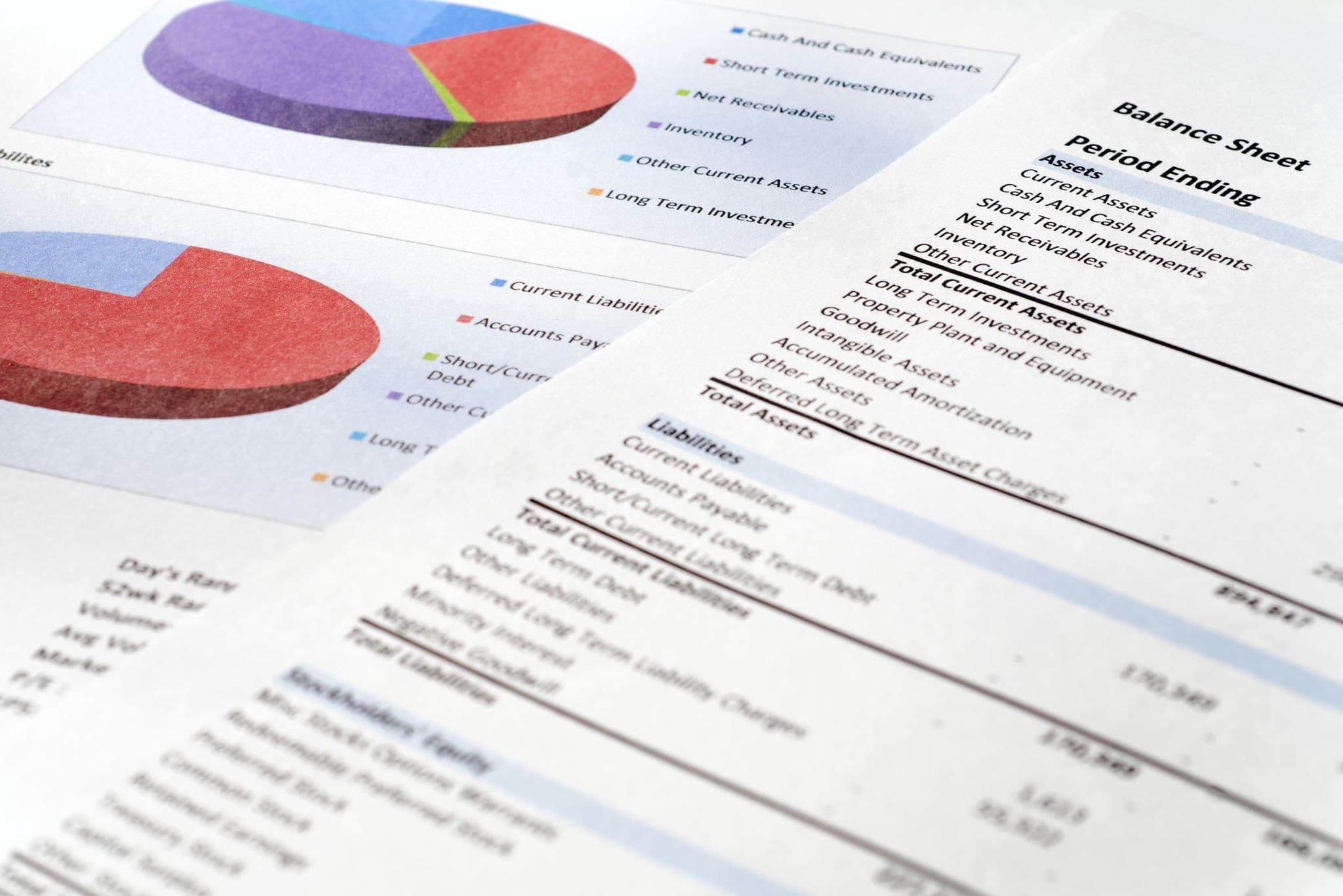
The Balance Sheet: A snapshot in time. It shows what you own (Assets), what you owe to others (Liabilities), and what is left over for the owners (Equity). It operates on the fundamental equation:
$$\text{Assets} = \text{Liabilities} + \text{Equity}$$
The Income Statement: The scoreboard. It tracks revenue minus expenses over a specific period (like a quarter or a year) to show whether the business made a profit or took a loss.
The Cash Flow Statement: The reality check. A business can look profitable on paper but still go bankrupt if it runs out of physical cash. This statement tracks the actual greenbacks moving in and out of the bank.
Why Accounting Matters to You (Even If You Aren't an Accountant)
You don’t need a CPA (Certified Public Accountant) license to benefit from understanding the basics. Accounting acts as a critical tool in three main areas:
1. Personal Wealth & Budgeting
When you track your income, calculate your net worth, or decide whether to buy a home, you are using managerial accounting. It is the only way to make objective, data-driven decisions about your future.
2. Investing with a Clear Lens
Before buying stock in a company, smart investors read its financial filings. Knowing how to read a balance sheet lets you see past marketing hype and identify if a company is drowning in debt or sitting on a healthy mountain of cash.
3. Running a Business
Many entrepreneurs fail not because their product is bad, but because they do not understand their margins. Accounting tells you exactly how much it costs to acquire a customer, make a product, and keep the lights on.
The Core Concept: Accrual vs. Cash Accounting
One of the first major decisions a business makes is choosing how to record its transactions. This choice drastically changes how healthy a company looks on paper.
Feature | Cash Accounting | Accrual Accounting |
When is Revenue recorded? | When the physical cash enters the bank. | When the service or product is delivered (even if the bill isn't paid yet). |
When are Expenses recorded? | When the cash actually leaves the account. | When the expense is incurred to generate revenue. |
Best For... | Sole proprietors, small local businesses, simple budgets. | Medium-to-large businesses, publicly traded companies. |
The Golden Rule of Accounting: Every transaction must balance. In the double-entry bookkeeping system, every debit must have an equal and opposite credit. This simple, elegant check-and-balance system has kept global commerce honest since it was popularized by Luca Pacioli in 1494.
Looking Forward: The AI Era
Accounting is currently undergoing its most massive shift in a century. Robotic Process Automation (RPA) and Artificial Intelligence are taking over the repetitive, transactional aspects of the job—like data entry and receipt matching.
But this does not mean accountants are going extinct. Instead, the role is shifting from record-keepers to strategic advisors. The future belongs to accountants who can look at the numbers generated by machines and tell business leaders exactly what they mean for the future of the company.